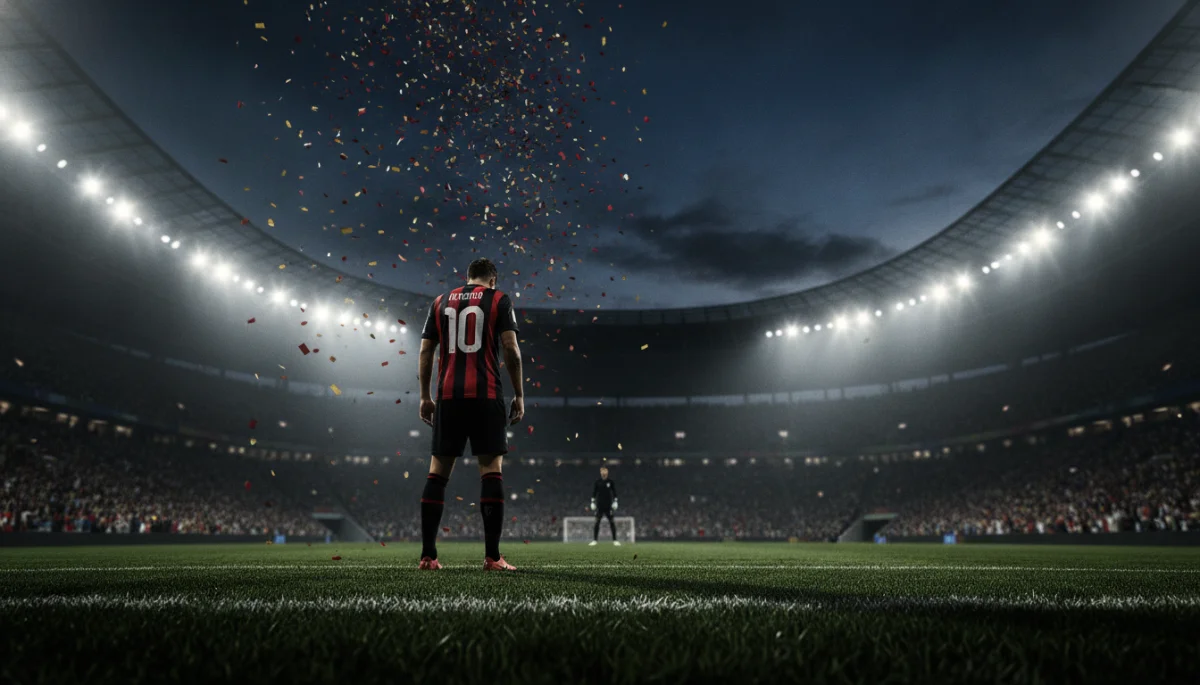
In the 2026 FIFA World Cup Round of 32, Belgium staged one of the most improbable comebacks in tournament history, defeating Senegal 3-2 in extra time after chasing from a 2-0 deficit. The match, played at Seattle Stadium on July 1, 2026, saw youri tielemans score the decisive penalty in the 125th minute, securing a dramatic victory that will be remembered for decades.
For the first 85 minutes, the game appeared to be a total loss for Belgium. Senegal dominated with energy, control, and clinical finishing. The Red Devils looked broken, their midfield suffocated, and their stars seemingly out of options. Kevin De Bruyne and Jeremy Doku were both substituted before the final quarter, a move that many interpreted as a surrender by coach Rudi Garcia.
But football has a way of rewriting the script when the pressure is highest. In a stunning turn of events, Belgium scored twice in the final minutes of regular time to force extra time, and then won the match with a penalty in the dying seconds of added time. The result was not just a win; it was a testament to resilience, belief, and the unpredictable nature of the sport.
The Senegal Dominance That Almost Ended Belgium
Senegal entered the match with a clear plan: press high, disrupt Belgium’s rhythm, and capitalize on mistakes. Their execution was flawless for the first two-thirds of the game. Pape Thiaw’s Lions of Teranga controlled the pace, forcing Belgium into errors and creating openings with relentless attacking play.
The first goal came in the 25th minute when Habib Diarra capitalized on a rebound from Ismaïla Sarr’s header off the post. The Sunderland midfielder’s goal was the first by a Senegalese player in his first two World Cup starts, and it sent a shock through the Belgian camp.
Just six minutes into the second half, Sarr doubled the lead with a powerful volley from a long pass by Moussa Niakhate. The ball was controlled on his chest, bounced once, and was fired into the top corner past Thibaut Courtois. This goal tied Sarr with Roger Milla for the most goals by an African player in a single World Cup edition.
At 2-0, the stadium was silent, and the living rooms across the world were bracing for elimination. Belgium had not scored a single goal, and their defense looked helpless against Senegal’s relentless attack.
The Turning Point: A Late Surge and Extra Time Drama
With 30 minutes left, Belgium made a bold move: they pulled off their two most creative players, De Bruyne and Doku. This decision shocked fans and analysts alike, but it was a gamble that would ultimately change the course of the match.
For nearly 30 minutes, the team looked broken. No goals were created, and the pressure seemed to crush them. During the second-half hydration break, cameras caught a tense argument between youri tielemans and Leandro Trossard, separated by Nicolas Raskin. The tension was palpable, and many feared the squad was tearing itself apart.
Then, in the 86th minute, the tide began to shift. Thomas Meunier, a substitute, delivered a cross from the right that Romelu Lukaku, who had entered the game as a desperate roll of the dice, swept home. This was Belgium’s first shot on target all game, and it marked the beginning of their comeback.
Just 2 minutes and 38 seconds later, Trossard curled in a cross from the left. Senegal’s goalkeeper, Mory Diaw, misjudged the flight, and tielemans, the man who had been arguing minutes earlier, rose to head the ball into the empty net. The score was now 2-2, and the game entered extra time.
Extra time was tense, with both teams cautious and unwilling to overcommit. In the 117th minute, Dodi Lukébakio struck the crossbar, but the ball bounced away. However, VAR officials noticed a foul on tielemans by Lamine Camara at the edge of the box. After seven minutes of review, the referee awarded a penalty.
Pathé Ciss attempted to unsettle tielemans with gamesmanship, but it failed. The Aston Villa midfielder placed the ball, waited for the whistle, and drove the shot into the top-right corner. The penalty was awarded at 124 minutes and 44 seconds, the latest winning goal in 96 years of World Cup football.
A Historic Comeback and Future Implications
Belgium’s victory was more than just a win; it was a record-breaking achievement. They became the first team to recover from a two-goal deficit this late in regulation and go on to win a World Cup knockout match. It was also the first time since their 2018 comeback against Japan that any team had overturned a two-goal knockout deficit at the World Cup, making Belgium the second nation in history to pull off such a feat twice, joining West Germany.
| Feature | Belgium | Senegal |
|---|---|---|
| Match Result | 3-2 (Extra Time) | 2-3 (Extra Time) |
| Two-Goal Comeback | Yes (First in history) | No |
| Goals in Tournament | Not specified | 10 (First African nation) |
| Key Player | Youri Tielemans | Ismaïla Sarr |
For Senegal, the loss was heartbreaking. They had scored 10 goals in the tournament, making them the first African nation to reach that milestone in a single World Cup edition. Despite their dominance and effort, they were denied a chance to advance to the Round of 16.
Belgium now moves into the Round of 16, where they will face the winner of the United States vs. Bosnia-Herzegovina match. The scars from Seattle will linger, but the team has proven that they can overcome even the most dire situations. For 85 minutes, they were the worst version of themselves. For five, they were immortal.
For Senegal, the cruelty is almost unbearable. They did everything right and still went home. Football doesn’t care about fairness. It cares about moments.
And on the night of July 1, 2026, youri tielemans owned the biggest one of them all.