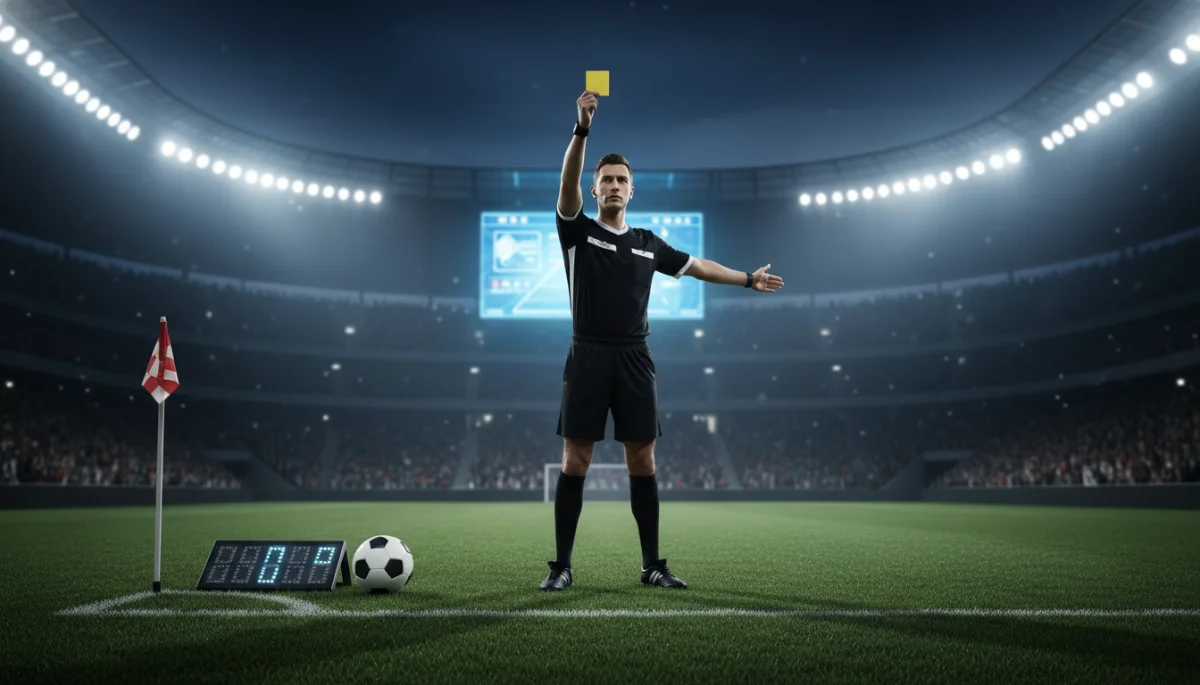
The 2026 FIFA World Cup will arrive with more than a larger field and a bigger global spotlight. It will also feature a series of rule updates that could change how referees manage matches, how players behave under pressure, and how teams handle key moments.
Many of the changes are aimed at the same broad goals: keeping play moving, reducing delay tactics, improving discipline, and giving officials clearer authority when tempers rise or technology is needed.
For players and coaches, that means old habits may no longer be safe. For fans, it means some match situations will look very different from what they are used to seeing.
Why the Laws Are Being Tightened
Football’s lawmakers have made speed and control a priority. The new measures are designed to cut down on stalling, make punishment more consistent, and prevent teams from turning stoppages into tactical tools.
The World Cup is an obvious testing ground because the tournament puts every decision under a global microscope. If the new standards are enforced strictly, teams will need to adapt from the opening whistle.
Behavior in the Spotlight
One of the most talked-about updates concerns confrontations between players. If a player covers their mouth with a hand, shirt, or arm during a heated exchange, that action could now be treated as suspicious enough to warrant a red card.
The purpose is not to punish ordinary conversation. The concern is that covering the mouth can make abusive or discriminatory language harder to detect, especially in tense moments when officials are already watching for trouble.
This change gives referees a stronger tool when a player appears to be hiding what was said during an argument. It also signals that the game wants less secrecy around conduct that may cross the line.
Steps That Could Change the Flow of a Match
Several of the new rules focus on limiting delay and making restarts more disciplined. In practical terms, that means referees may act faster and punish hesitation more aggressively.
- When a team is awarded a throw-in or goal kick, the restart may be subject to a visible five-second countdown.
- The referee will signal the count, and the team in possession must restart before time expires.
- If the ball is not put back into play in time, the restart can be handed to the opposition.
- A slow throw-in would switch possession, while a delayed goal kick could lead to a corner kick for the other side.
That final detail matters because it turns a routine delay into a serious risk. A goalkeeper who takes too long to restart may give away a dangerous set piece almost immediately.
Substitutions are also being tightened. Once the board goes up, the player leaving the field is expected to exit within 10 seconds and use the nearest boundary point rather than wandering across the pitch. If the player takes too long, the incoming substitute may have to wait, leaving the team temporarily short until play continues properly.
There is still room for judgment. Referees can allow more time when there is an injury, a safety issue, or a security concern. Even so, routine stalling is likely to be handled with less patience than before.
Medical Delays and Restarts Under Pressure
Another important change deals with treatment on the field. If medical staff come on to treat an outfield player, that player will generally have to leave the field for one minute after play resumes.
The aim is to reduce the use of minor knocks as tactical pauses. Too often, brief treatment is used to slow a game, break momentum, or deliver instructions while everyone is gathered near the touchline.
There are important exceptions, though. A goalkeeper injury, a collision between a goalkeeper and an outfield player, a collision between teammates, a serious injury, a possible concussion, a head injury, or treatment for a player about to take a penalty can all trigger different handling. Those exceptions are meant to protect safety while still discouraging unnecessary stoppages.
Goalkeeper injuries also come with a special anti-time-out safeguard. If the goalkeeper is being treated, teams are not supposed to turn the pause into a coaching session or an unofficial tactical huddle. The point is to stop injury breaks from becoming free strategy meetings.
Expanded Video Review and What It Means
VAR will have a broader role at the tournament than many fans have seen before. The system is still focused on major mistakes, but the list of reviewable situations is expected to grow.
One significant update involves second yellow card situations. If a red card is issued because of a second booking and the decision is clearly wrong, VAR may now intervene. That is a notable shift because second-yellow incidents have traditionally sat outside the normal review framework.
VAR can also correct mistaken identity, which matters when the wrong player is cautioned or sent off. In a high-pressure match, that kind of error can change everything, so the ability to fix it quickly is important.
Some corner kick decisions may also be reviewed when the error is obvious and the correction can be made without dragging the game down. The same goes for fouls committed before a set piece is taken. If an attacker fouls a defender before the ball is in play, the referee may be asked to review the incident and apply the correct discipline or restart.
That last point could have a real impact on teams that use aggressive blocking, holding, or movement before free kicks and corners. Set-piece routines will likely be watched much more closely.
What Fans Should Expect to Notice
Supporters should see referees become more active around restarts, substitutions, and disciplinary flashpoints. Visible countdowns, faster intervention, and more structured stoppages will probably stand out early in the tournament.
Fans may also notice that behavior once treated as routine gamesmanship now carries greater risk. A slow goal kick, a protest walk-off, or a confrontation where a player hides their mouth could now lead to immediate and serious consequences.
For teams, the practical lesson is simple: the margin for delay has narrowed. Coaches will need to prepare players for stricter enforcement, and players will need to stay composed when the match becomes emotional.
The 2026 World Cup will still be defined by goals, stars, and pressure moments, but the new laws may quietly shape many of the turning points along the way. In a tournament this big, even a few seconds of delay or one badly managed confrontation could carry major weight.