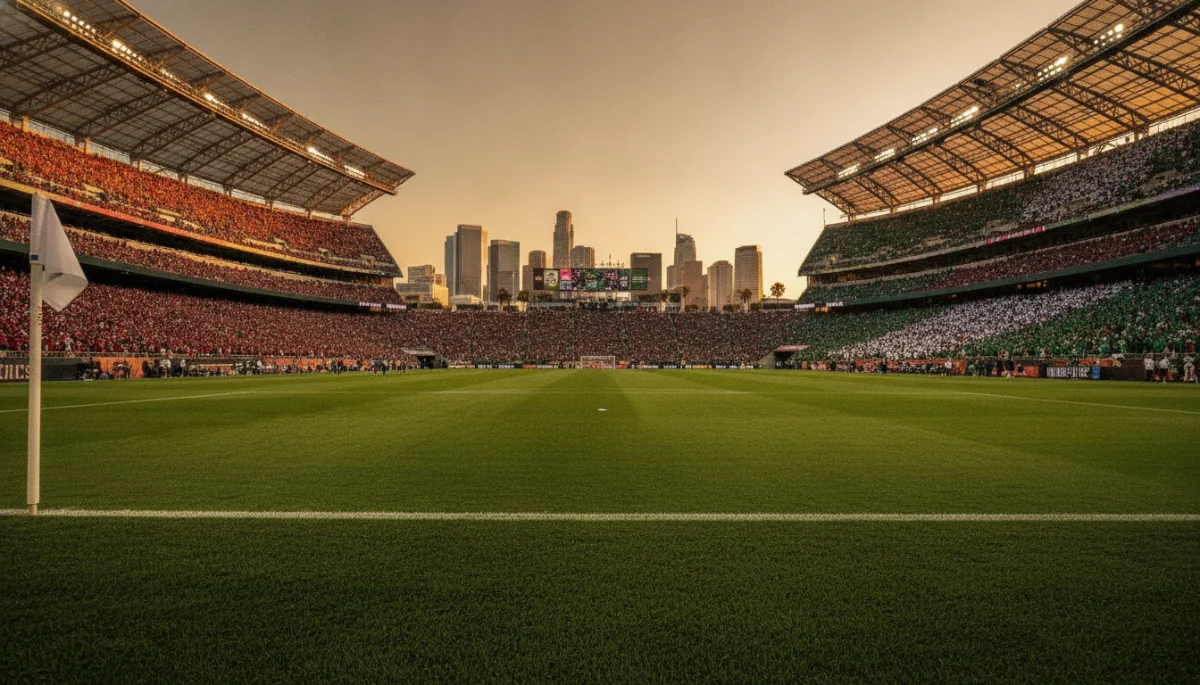
World Cup 2026 | Group G, Matchday 2
Sunday, June 21, 2026 — 3:00 p.m. ET | SoFi Stadium, Los Angeles
Watch in Canada: CTV, TSN, TSN+ | En français: RDS
Group G enters Sunday in a perfect deadlock, with Belgium, Iran, Egypt, and New Zealand all sitting on one point after the opening round. That balance gives Belgium versus Iran the feel of a turning point: one result can create separation, while another draw would keep the entire group compressed heading into the final matchday. According to previews of the group, Belgium’s attacking quality and Iran’s defensive structure are two of the main forces shaping the race for the knockout places.
For viewers in Canada, this is an easy one to build an afternoon around. It starts at 3:00 p.m. ET, and the stakes are high enough to make every possession matter, especially with both sides aware that a cautious result may leave them chasing qualification later in the week.
The State of the Group
The opening round left little room for separation. Belgium were held 1-1 after a match in which they had plenty of the ball but did not fully translate that control into clear chances, while Iran showed resilience by recovering from two deficits in a 2-2 draw. That combination has produced the kind of table where goal difference, not performance reputation, is doing the sorting.
Group G also carries a broader tournament rhythm: Belgium are expected to lead the section on paper, while Iran and Egypt are viewed as the most realistic challengers for the second automatic place, with New Zealand leaning on organization and counterattacks to stay involved. Sunday’s meeting in Los Angeles is therefore more than a single match; it is an early test of which side can impose its preferred script under pressure.
| Team | Opening Result | Primary Strength | What Sunday Demands |
|---|---|---|---|
| Belgium | Draw | Technical control and attacking depth | Earlier tempo and sharper finishing |
| Iran | Draw | Compact defending and efficient counters | Discipline against Belgium’s midfield |
| Egypt | Draw | Experience and direct attacking quality | Benefit from any points dropped |
| New Zealand | Draw | Structure and patience | Stay within reach of the pack |
Three Pressure Points That Matter Most
- Belgium need a faster start than they produced in their opener. Their talent level remains high, but a team with this much possession has to turn territorial control into a lead before the match becomes stubborn and compressed.
- Iran’s best route is to keep the game narrow and force Belgium to work through traffic. The group preview material consistently points to Iran’s defensive organization and counterattacking efficiency as central features of their profile.
- Set pieces may decide the evening. Iran have already shown they can profit from delivery into the box, while Belgium’s defenders will know that one loose marking sequence can swing a tight contest.
The Belgium question
The main tactical debate is whether Belgium can convert their midfield superiority into enough final-third danger. Kevin De Bruyne remains the obvious creative reference point, and the group analysis highlights Belgium’s wide pace and attacking combinations as defining traits. If he finds space between the lines, Belgium can stretch Iran’s block and pull defenders out of shape.
Romelu Lukaku also changes the conversation. His presence gives Belgium a different kind of penalty-area threat, and previews of the group treat Belgium’s attacking combinations as one of the key factors that could separate them from the rest of the section. In a match that may be decided by a single moment, Belgium are likely to want their most direct scorer on the field for as long as possible.
The Iran case
Iran have already shown they can absorb adversity and stay connected to the match. Their opener featured a comeback from two deficits, which is exactly the kind of resilience that can frustrate a more talented opponent if the underdog keeps the defensive line compact and the transitions clean. Their path is not built on control; it is built on patience, timing, and a willingness to punish mistakes.
That approach becomes more dangerous in a venue where the crowd may not feel neutral. Reports on the group have pointed to Los Angeles as a setting with a large Iranian community, which could make the atmosphere unusually favorable to Iran even if Belgium enter as the more decorated side. If the energy tilts in that direction, the match may feel less like a road game for Iran and more like a test of Belgium’s composure.
How the Game May Unfold
The most likely pattern is simple: Belgium will spend more time on the ball, while Iran look to stay compact and strike when space appears. That script matches the broader scouting view of the group, where Belgium are the most possession-oriented team and Iran are among the most organized in defensive phase work.
Because both teams already have one point, the emotional math is tricky. A draw does not ruin either side, but it also leaves the group crowded and increases the value of the final matchday. That can make the first goal feel disproportionately important, because the side that scores first can force the other to choose between patience and urgency.
Belgium’s advantage is depth. Iran’s advantage is clarity. If Belgium play at the pace of a contender, they should create enough to win. If they drift into a slow, stalled rhythm, Iran have already shown enough resilience to keep the result alive deep into the second half.
Projected score: Belgium 2, Iran 1. Belgium have the stronger bench, the broader attacking range, and the clearest path to turning possession into a result, but Iran are unlikely to make it comfortable. A narrow Belgium win would open Group G a little more for the final round, while an Iran result would turn the section into a genuine scramble.
Sunday’s other Group G fixtures in Canadian viewing time are Tunisia vs. Japan at 12:00 p.m. ET, Spain vs. Saudi Arabia at 12:00 p.m. ET, Uruguay vs. Cabo Verde at 6:00 p.m. ET, and New Zealand vs. Egypt at 9:00 p.m. ET. All matches are available on CTV, TSN, and TSN+, with French-language coverage on RDS.