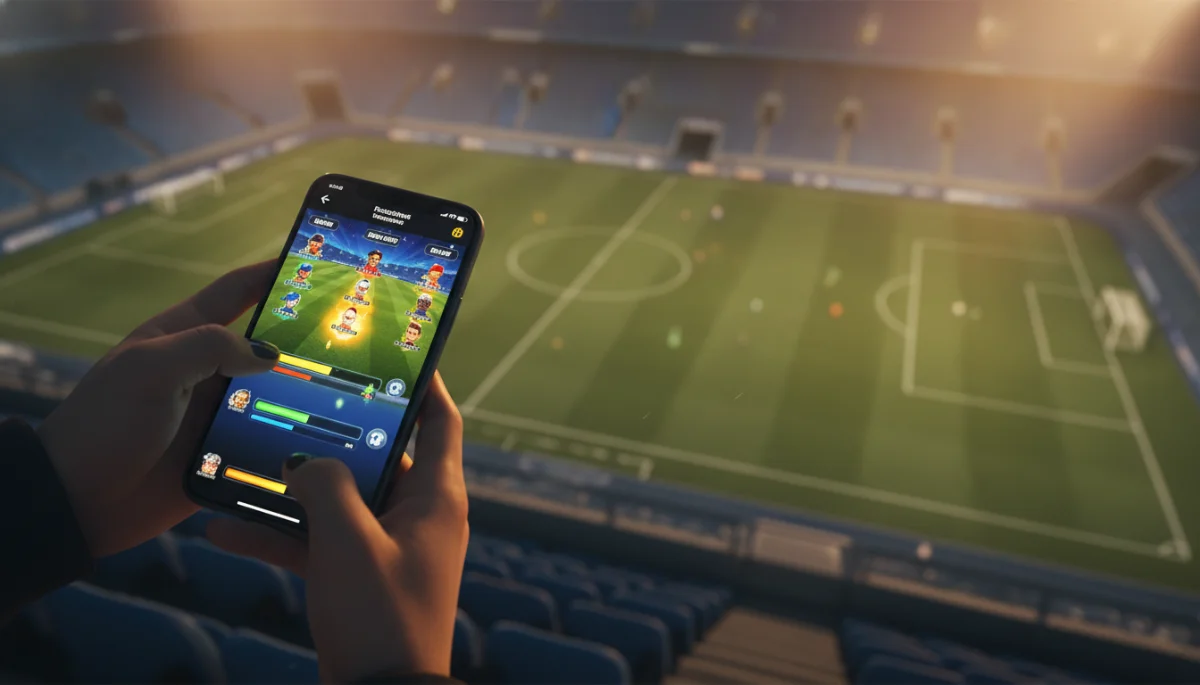
Halftime is no longer just a break in the action. For many sports fans, it has become the perfect moment to open a quick mobile game and stay entertained without losing the rhythm of the event.
Why the Break Feels Longer Now
Live sports move fast, but halftime can feel slow. Fans sit through commercials, commentary, and waiting, which makes attention drop right when the energy from the first half is still fresh.
Quick mobile games fill that gap with short, simple play sessions. They give fans something active to do while they wait for the game to restart.
What Makes a Good Halftime Game
The best halftime games are built for speed. They work because they respect the short window between halves.
- Fast start: A game should launch in seconds and deliver instant play.
- Simple controls: Fans should not need a tutorial to understand it.
- Short rounds: One round should fit neatly into a brief break.
- Easy replay: The game should invite another quick try right away.
This is why hyper-casual puzzles, rapid sports challenges, and spin-based games do so well during live events.
Technology Makes It Practical
Better mobile networks and stronger stadium Wi-Fi have removed many of the old friction points. Fans can now play in crowded venues without the lag that once made mobile gaming frustrating.
Developers also design these games to use less data and respond faster. That keeps the experience smooth even when thousands of people are online at once.
The Psychology Behind the Habit
Sports already create strong emotional highs. Halftime can feel like a sudden drop, and quick games help replace that loss of momentum.
- Micro-rewards: Small wins keep the brain engaged.
- Sense of control: Fans can influence a game outcome, unlike the live match.
- Fast feedback: Immediate results keep attention locked in.
That mix makes mobile play especially attractive during a pause in live competition.
How Teams and Broadcasters Use It
Sports organizations have started treating halftime as an engagement window instead of dead time. They use mobile games to keep fans connected to the event and to the brand.
- Prediction games: Fans guess scores, plays, or match outcomes.
- Reward offers: Mini-games can unlock discounts or exclusive perks.
- Fantasy updates: Fans can check team performance without leaving the event flow.
These features turn a waiting period into an interactive part of the experience.
Where This Trend Is Headed
Halftime entertainment will likely become even more interactive. Augmented reality and more personalized game experiences could make the gap between watching and playing feel even smaller.
For now, quick mobile games have found a clear role in sports culture. They keep fans occupied, energized, and ready for the second half.